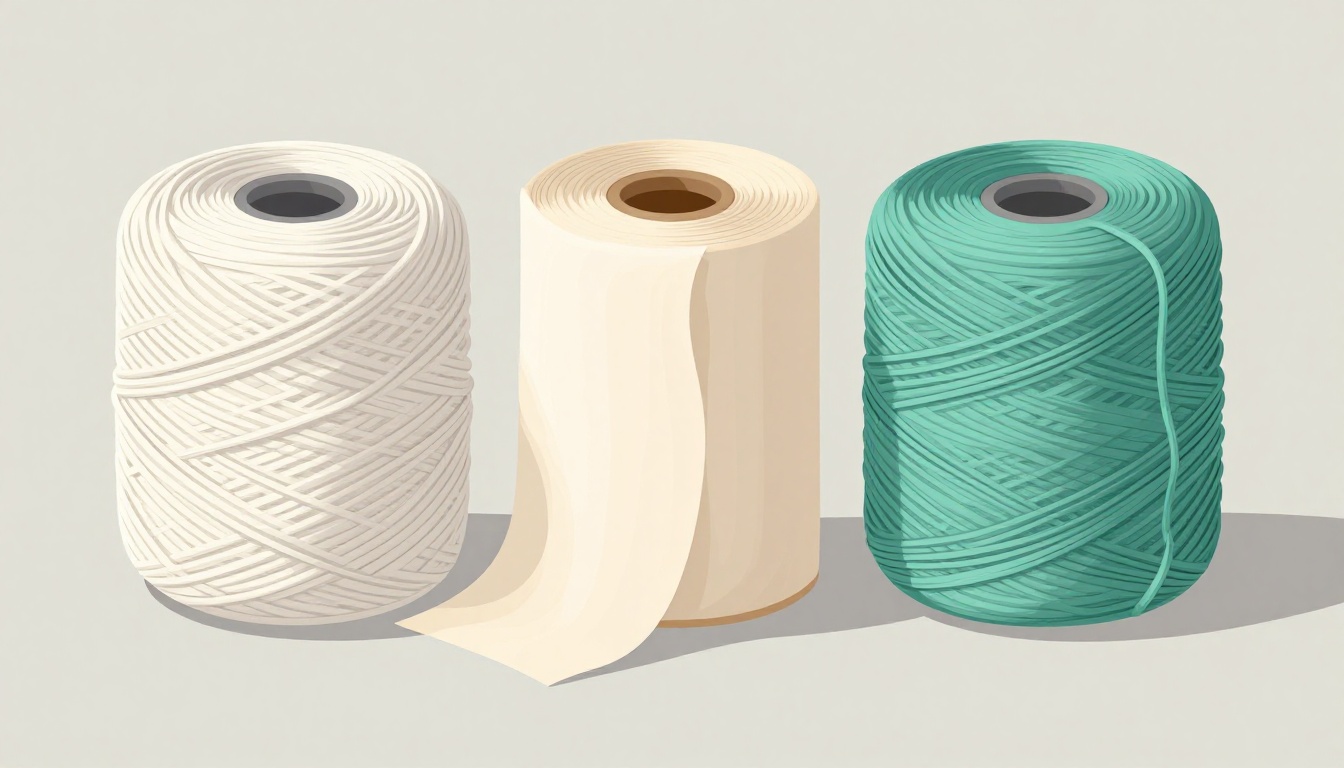
You grab a sweater off the rack for a chilly fall day. It looks cozy enough. Hours later, it itches like crazy or shrinks in the wash. Sound familiar? Many beginners face this frustration because they overlook fabric differences.
Wool, cotton, and acrylic each offer unique perks for clothes, blankets, and crafts. Wool keeps you toasty. Cotton stays cool and soft. Acrylic mimics wool on a budget. You save money, stay comfortable, and skip laundry mishaps when you pick right.
This guide breaks it down simply. We cover origins, feel, care, and best uses for each. Then we compare them side by side. You’ll shop smarter by the end.
Wool: The Natural Insulator from Sheep and More
Wool comes from animal fleece. Sheep provide most of it. Alpacas and llamas contribute too. Farmers shear the animals once a year. This process yields soft, crimped fibers.
Wool excels at trapping air. It stays warm even when wet. Breathability lets skin breathe. Moisture-wicking pulls sweat away. Elastic fibers snap back after stretching. Plus, wool resists flames naturally.
It endures heavy use. Odors fade because lanolin repels smells. Fibers soften over time. However, wool costs more upfront. Itchiness bothers some skin types. Wrong washing causes shrinkage.
You find wool in winter sweaters, thick socks, and hiking base layers. It suits cold weather best. A fun fact: people used wool for clothing over 10,000 years ago. No wonder it lasts.
How Wool Stands Up to Wear and Weather
Wool fights wrinkles well. It regains shape after pulls or folds. Active folks love it for socks that survive seasons of hikes.
Rain doesn’t ruin wool. Unlike cotton, it insulates when damp. Synthetics sometimes trap moisture. Wool dries from the inside out. Hikers stay dry and warm as a result.
Picture tough wool pants for outdoor work. They flex without tearing. Durability makes wool a smart long-term buy.
Wool Care Secrets to Make It Last
Handle wool gently to avoid felting. First, test water temperature. Cold water prevents shrinkage.
Hand wash in a basin with mild soap. Soak five minutes. Rinse twice. Never twist or wring.
Lay flat on a towel to dry. Reshape while damp. Skip the dryer; heat shrinks fibers. Dry cleaning works for delicates. These steps keep wool like new for years. Beginners dodge common mistakes this way.

Cotton: Your Go-To for Soft, Breathable Comfort
Cotton grows on plants. Bolls burst open to reveal fluffy fibers. Farmers harvest and gin them into yarn.
Softness defines cotton. It absorbs moisture up to 27 times its weight. Breathability prevents clamminess. Hypoallergenic traits suit sensitive skin. You wash it easily in machines.
Affordability draws everyone. Versatility fits t-shirts, sheets, and towels. However, it wrinkles fast. Little warmth comes from it. Stains linger because colors bleed.
Summer clothes thrive on cotton. Bedding feels crisp and cool. Most daily wear includes it. Organic versions skip pesticides for eco gains.
Why Cotton Feels Great on Hot Days
Sweat evaporates quickly in cotton. Gym tees wick moisture during workouts. You stay dry instead of sticky.
Pajamas breathe at night. No overheating disrupts sleep. Picnics call for cotton shirts; they block sun lightly while venting heat.
Compare it to acrylic. Cotton lets air flow freely. Comfort wins on sweltering days.
Common Cotton Pitfalls and Fixes
Heat shrinks some cottons. Wash in warm water, not hot. Colors fade from sun or bleach. Turn items inside out before laundering.
Wrinkle sprays help after drying. Hang promptly to smooth. These fixes extend wear. Cotton rewards simple habits.
Acrylic: Synthetic Wool Lookalike on a Budget
Factories make acrylic from petroleum. Chemicals form long chains that mimic wool. Knitters love its fluffy look.
Lightweight design packs warmth without bulk. It stretches and recovers shape. Quick drying suits travel. Machine washing simplifies care.
Cheap prices appeal to beginners. Moths ignore it unlike wool. However, it traps odors and sweat. Pilling roughens surfaces over time. Less breathable than naturals. Plastic feel turns off some.
Craft yarn, budget sweaters, and faux fur use acrylic. Scarves add style cheaply. It doesn’t break down in landfills.
When Acrylic Saves Your Wallet Without Sacrificing Style
New knitters pick acrylic yarn. Soft projects like scarves emerge fast. No itch for sensitive necks.
Casual winter hats cost little. They block wind effectively. Style matches pricier wool. Budget wins without skimping on looks.
Wool vs. Cotton vs. Acrylic: Head-to-Head Breakdown
No fabric rules all situations. Each shines in its niche. Check this table for quick facts.
| Feature | Wool | Cotton | Acrylic |
|---|---|---|---|
| Origin | Animal fleece | Plant bolls | Petroleum-based |
| Warmth | High (even wet) | Low | Medium |
| Breathability | Excellent | Excellent | Poor |
| Price | High ($$$) | Low ($) | Low ($$) |
| Durability | High | Medium | Medium (pills) |
| Care Ease | Hand wash/dry clean | Machine wash/dry | Machine wash/dry |
| Eco-Friendliness | Biodegradable | Biodegradable (organic best) | Not biodegradable |
Wool suits freezing hikes. Cotton handles hot summers. Acrylic fits tight budgets needing warmth. Match needs to traits.
Quick Quiz: Which Fabric Fits Your Lifestyle?
Freezing office? Wool sweater insulates best.
Summer picnic? Cotton shirt breathes easy.
Craft on a dime? Acrylic yarn crafts quickly.
Blended family wardrobe? Test each for comfort.
Pick the Perfect Fabric for Every Situation
Read labels first. Blends combine strengths, like cotton-wool for tees. Feel the fabric in stores. Pinch for stretch.
Layer smartly. Cotton base wicks sweat. Wool outer traps heat. Acrylic mid-layer adds cheap insulation.
Trends favor sustainable picks. Recycled acrylic grows. Organic cotton expands. Shop confidently now. You match outfits to life.

Wool warms deeply. Cotton cools softly. Acrylic budgets wisely. Key differences guide your buys.
Experiment with small pieces. Read labels always. Share your favorite fabric story in comments. Dress smarter today.