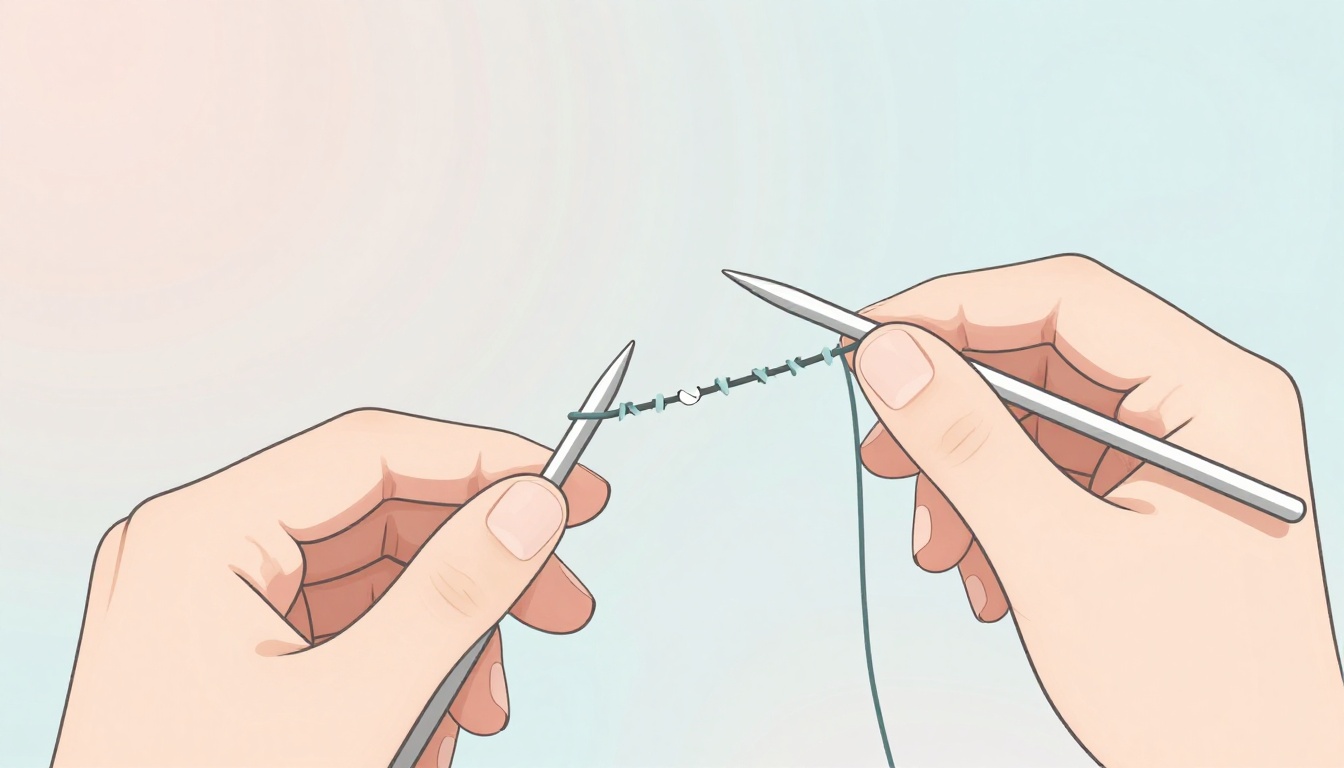
You knit a few rows on your favorite scarf. Everything looks perfect. Then you notice a small hole staring back at you. Panic sets in because that dropped stitch means unraveling, right?
A dropped stitch happens when a loop slips off your needle. It unravels down the column, creating a ladder-like run. Beginners face this often, but anyone can drop one during a long session. The good news? You can fix it in minutes without frogging rows. This guide shows you how to spot signs early, gather simple tools, follow easy steps, and prevent future drops. You’ll save your project and build confidence. Let’s turn that hole into a win.
Spot the Telltale Signs of a Dropped Stitch Early
Dropped stitches hide in busy patterns. They strike when you least expect. Spot them fast to limit damage. Check your work after every few rows. Lay the piece flat under good light. Look for odd spots.
Common spots include edges and increases. Tension changes there pull stitches loose. In stockinette, drops show as clean runs. Ribbing hides them better because of the bumps.
Visual Red Flags in Your Knit Fabric
Scan for a hole where a stitch should sit. Above it, loops stretch tall like ladders. A loose yarn bar floats across the gap. Normal stitches stay snug and even.
In colorwork, the run blends with shifts. Textured stitches like cables mask holes at first. Tilt your work. Shadows reveal the gap. Compare to nearby rows. If one column looks thinner, investigate.
Take a photo with your phone. Zoom in. The flaw jumps out. Early catches mean shorter ladders to fix.
Feel It Before You See It
Touch beats sight sometimes. Run your fingers along the rows. Feel for slack or gaps. A dropped column feels looser than others.
Tension stays even in good knitting. Drops create uneven pull. Check during breaks. Your hands know the rhythm. This habit catches issues before they grow.
In addition, active knitters spot them quicker by touch. Sight works later. Combine both for best results.
Tools You Need to Rescue That Dropped Stitch
Fixes need few items. Keep them handy in a small kit. No need for fancy gear. Start with basics.
A crochet hook matches your needle size. It pulls loops up easily. Steel ones work for fine yarn. Get one per project size.
Next, grab a spare needle or stitch picker. It holds the fixed stitch safe. Locking stitch markers pin the spot. They stop more unraveling.
A tapestry needle weaves ends later. For cheap swaps, use a bent paperclip as a hook. It grabs bars well. Your kit stays light and cheap.
Store it near your yarn. Ready tools mean quick saves. You avoid stress. Practice grabs build speed.
Step-by-Step: How to Pick Up and Fix a Dropped Stitch
Work bottom to top always. This rebuilds the ladder safely. Place a marker above the run first. It blocks further drops.
Turn to the right side usually. Check your pattern. Practice on scrap yarn. You got this.
- Insert the crochet hook into the bottom dropped loop. Point it up.
- Catch the horizontal bar above the gap. Pull it through the loop.
- Repeat. Hook grabs the next bar. Pull through the current loop.
- Continue to the top. Twist if needed for knit or purl.
- Slip the reformed stitch onto the left needle. Knit it normally.
Tension matches now. The row looks whole.
Fixing a Single Dropped Knit Stitch
For knit drops, keep loops untwisted. Hook from front. Pull bars smooth.
If the ladder spans two rows, rebuild each. First loop forms the base. Second matches the row above.
Knit the fixed stitch loosely. Block later evens it out. Test on swatch. Success builds skill.
Handling Purl Drops and Ladder Runs
Purl drops twist loops. Hook them front to back. This rights the lean.
Long ladders need patience. Count rows down. Rebuild one level at a time. Check tension after five pulls.
If tight, loosen yarn overs. Wet block fixes most pulls. For multiples, fix one column then neighbors.
Pro Tips for Tricky Spots Like Edges or Cables
Edge drops snag often. Use a lifeline below first. Pick up from side.
Cables twist around. Follow the braid path. Hook under strands. Maintain cross integrity.
In rounds, flip carefully. Wrong side shows purls. Adapt twists. Gauge stays true with practice.
Prevent Dropped Stitches from Ruining Your Next Project
Prevention beats fixes. Start with loose tension. Grip needles light. Relax shoulders.
Use markers on edges. They flag loose spots. Count stitches each row end. Apps track patterns.
Lifelines save big. Thread yarn through every tenth row. Rip to it safe.
Circular knitting drops less because no edges flip. Flat needs more checks. Stitch savers clip extras.
For beginners, dab glue stick on loose loops. It holds temporary. Mindset shifts too. Drops teach control.
Build habits slow. Your projects stay smooth.
Fixing a dropped stitch starts with quick spots. Visual holes and touch gaps signal trouble. Simple tools like crochet hooks make rescues easy. Follow steps bottom up for knit, purl, or cables. Prevent with markers, counts, and lifelines.
Grab scrap yarn now. Test a drop. Share your wins in comments. Pin this for later. Your next sweater stays hole-free. Happy knitting!