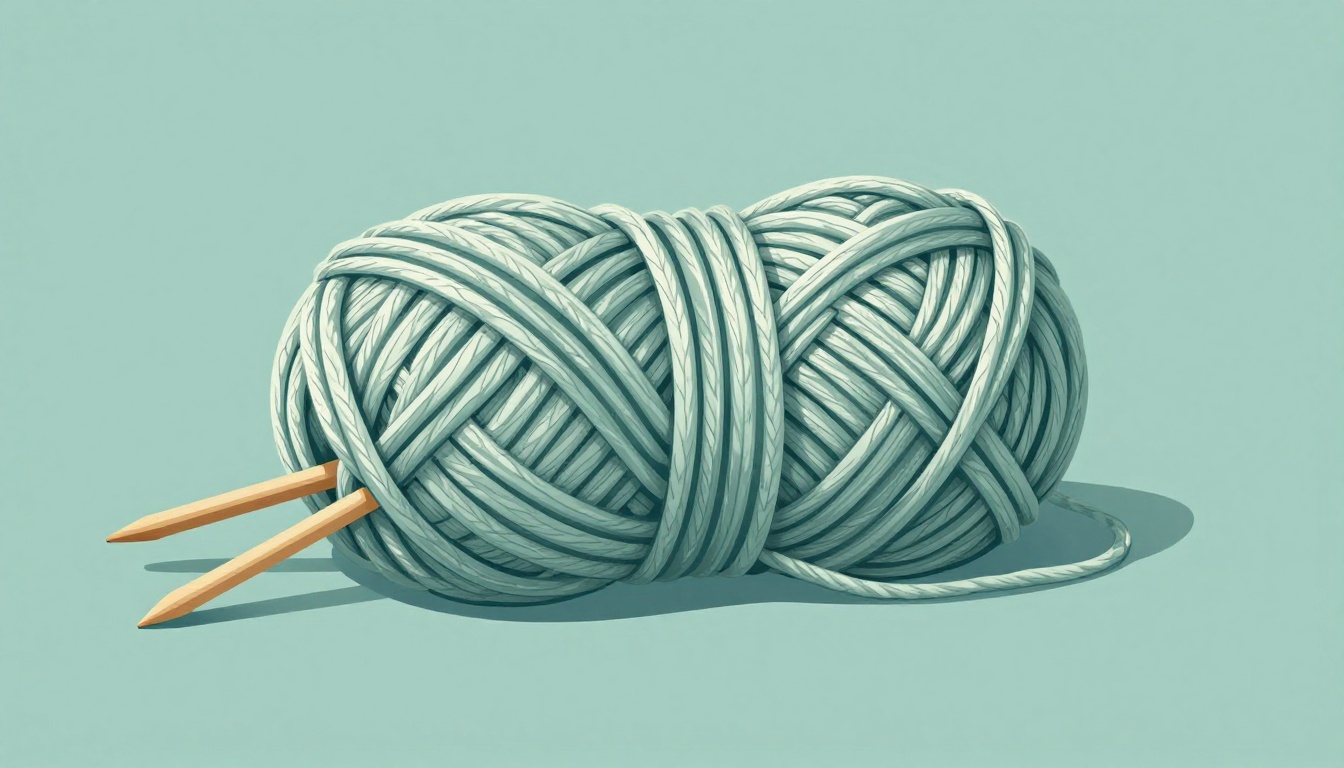
Ever finished a knitting or crochet project only to see your stitches blend into a mushy blur? You followed the pattern perfectly. Still, those careful loops look flat and undefined.
Yarn plies explain this issue. They are the twisted strands that form the yarn. Stitch definition means how crisp each stitch stands out. Multi-ply yarns often create sharp results. Single-ply ones can hide details.
You will learn what plies do. You will see their effect on stitches. Plus, you get tips to choose yarns for pro-level projects. This knowledge turns fuzzy work into clear, beautiful pieces.
What Yarn Plies Really Are and Why They Matter
Yarn starts with fibers like wool or cotton. Spinners twist them into strands. Then, those strands twist together into plies. A single-ply yarn uses one strand. A 2-ply twists two. Counts go up to 10 or more.
This twisting adds strength. It smooths the surface. Plied yarns handle better in hooks or needles. They drape nicely too. Texture changes with ply count. So does how stitches show up.
Think of plies like braided hair. Loose braids feel soft but tangle easy. Tight braids stay neat and strong. In the same way, yarn plies affect your project’s look and wear.
Breaking Down Single-Ply vs Multi-Ply Yarns
Single-ply yarns come from one long strand. They feel soft and light. A fuzzy halo surrounds the stitches. This works for cozy scarves. However, definition suffers. Stitches blur because fibers stick out.
Multi-ply yarns twist several strands. They create a smooth, round body. Strength increases, so they resist splitting. Stitches pop clearly. Yet, they might feel less plush.
Single-ply shines in simple stockinette. Multi-ply suits complex patterns. Each has a place. Test them to match your needs.
Common Ply Counts in Your Local Yarn Store
Stores stock familiar plies. 2-ply suits laceweight yarn. It stays delicate for shawls. 3- or 4-ply fits fingering or DK weights. These handle socks and sweaters well.
Then come 8- or 10-ply for worsted or bulky. They knit up fast for blankets. Ply count hints at thickness. But yarn weight categories matter more. A thin 4-ply beats a fat 2-ply sometimes. Always check labels.
Higher plies often mean warmer, sturdier yarn. Beginners grab these for easy projects.
How Yarn Plies Shape Your Stitch Definition
Ply structure decides stitch clarity. Multi-ply yarns align strands evenly. Light hits smooth surfaces. Stitches stand sharp. Single-ply yarns scatter light with fuzz. Details fade.
Twist direction plays a role too. S-twist or Z-twist refers to spin angle. Tight twists enhance smoothness. Loose ones add bloom. Blocking can soften yarns further. Fibers relax and blur edges.
Swatch in good light. You will spot differences fast.
Why Multi-Ply Yarns Deliver Crisp, Defined Stitches
Multiple strands build an even yarn body. Cables twist neatly. Lace holes stay precise. Colorwork motifs shine. Every loop counts in these patterns.
Take a fisherman’s sweater. 4-ply wool shows ropes perfectly. The surface stays firm. No halo distracts. Natural fibers like merino work best here. They balance smoothness and bounce.
The Downside of Fuzzy Plies on Your Patterns
Fuzzy plies soften everything. Single-ply alpaca creates a glow. Great for baby items. But intricate designs suffer. Edges melt together. Cables look flat.
Natural fibers bloom after washing. Steam blocking worsens it. Stick to synthetic blends for clarity. Or accept the cozy vibe.
Choosing the Perfect Ply for Your Next Project
Match ply to your pattern’s needs. Stitch-heavy designs need smooth yarns. Go for 3- or 4-ply on garments. They balance detail and comfort. Higher plies speed up chunky afghans.
Fiber matters too. Merino blends smooth out plies. Add nylon for strength. Swatch first. Block it. Then decide.
Best Plies for Lacy Knits and Open Stitches
Lace craves airiness. 2- or 3-ply yarns fill yarn-overs cleanly. Holes stay sharp, not sloppy. Smooth plies highlight decreases. Silk blends add sheen.
Your shawl blocks flat. Stitches frame the design.
Top Picks for Textured Stitches Like Cables
Cables demand structure. 4-ply or higher holds twists. Bobbles puff out. Popcorns stay round. Bulky plies suit big blankets. Tension stays even.
Wool holds shape best. Cables pop in photos too.
Avoiding Common Ply Mismatches in Crochet
Crochet splits fuzzy yarns easy. Multi-ply resists hooks better. Granny squares need 4-ply for tight stitches. Single-ply suits loose chains.
Test tension. Adjust hook size if needed.
Swatching Secrets to Check Stitch Definition Before Committing
Grab scrap yarn. Knit or crochet a 4-inch square. Use your pattern stitch. Block with pins or steam. Hold to light. Check if stitches define well.
Compare plies side by side. Online? Study seller swatches. Note ply count and fiber. Dye lots vary, so order extra.
This step saves yarn and time.
Wrap Up Your Yarn Choices
Yarn plies control smoothness and clarity. Multi-ply options sharpen stitches for most patterns. Single-ply adds softness where fuzz fits.
Swatch every time. It reveals true results. Pick plies wisely. Your projects will look polished.
Share your go-to ply yarns in the comments. Try a new one next time. What stitch pattern tests it best?