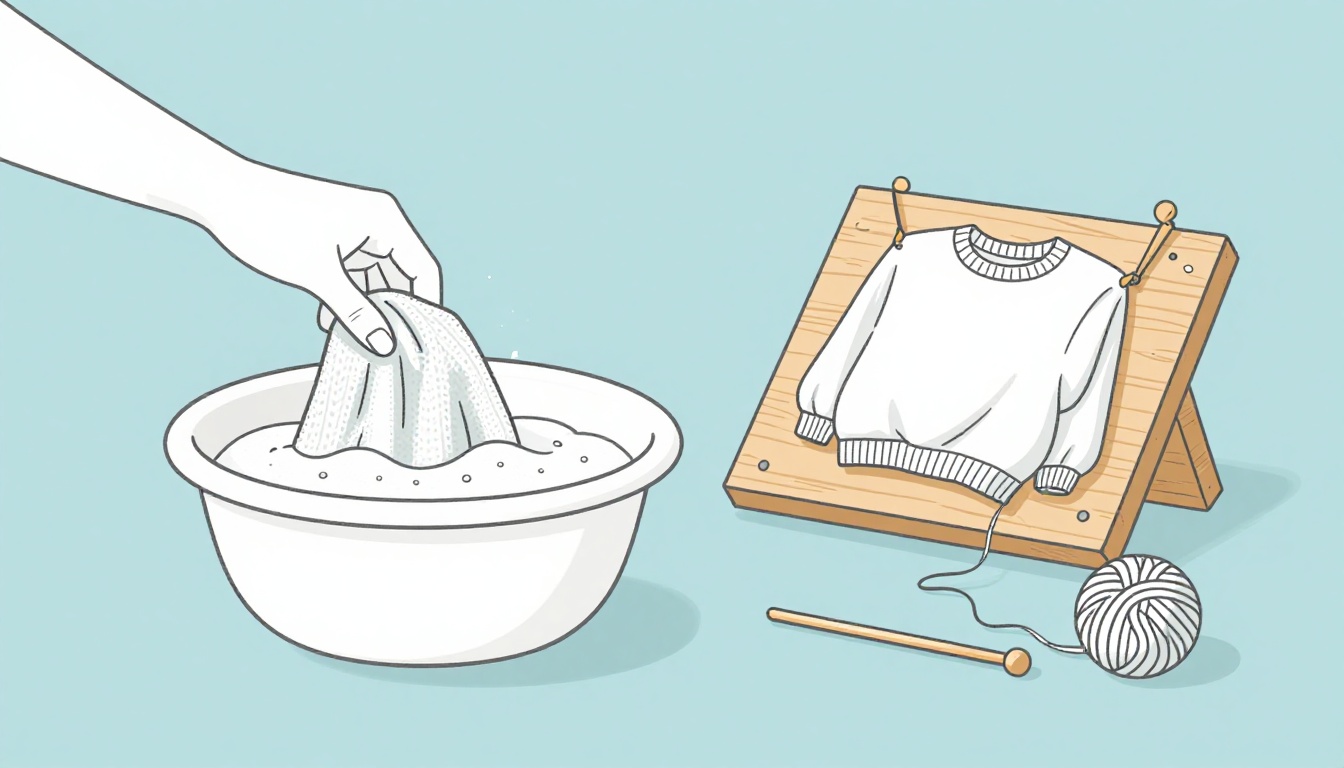
You grab your favorite wool sweater for a cozy night in. It goes into the wash by mistake. Hours later, you pull out a tiny, felted mess that fits a doll. Shrinking wool hits hard because it ruins treasures like hand-knits or cashmere scarves.
Proper washing and blocking keeps those items soft and full-sized. You avoid felting with gentle care and shaping while damp. This guide shares simple steps for home use. You’ll learn why wool shrinks, what supplies to grab, how to hand wash safely, and blocking basics. Plus, extra tips seal the deal.
Follow along, and your wool wardrobe stays perfect season after season.
Why Wool Fibers Shrink and How to Fight Back
Wool comes from sheep fleece. Its fibers have tiny scales like roof shingles. When you rub them wrong, those scales snag and tangle. This process, called felting, makes wool shrink tight.
Heat speeds it up. Hot water shocks the fibers open. They grab each other as they close. Agitation from washing machines rubs scales hard. Dryers add heat and tumble, worsening the mess. Soap with high pH strips natural oils that protect wool.
Think of a hand-knitted scarf from a friend. One wrong wash, and it shrinks two sizes. Or a store-bought wool hat that turns stiff after drying. These happen because friction builds felting.
You fight back with cool water and no rough handling. Blocking after wash stretches it right. Know these triggers, and you prevent most problems. Prevention beats fixing every time.
For example, always check labels first. They warn about dry clean only. But even then, home care works if you stay gentle. Science stays simple here. Focus on results: bigger savings and longer wear.
Stock Up on These Gentle Wool Washing Essentials
Gather tools before you start. Right supplies make washing foolproof. They protect fibers from shock and damage.
You need pH-neutral wool wash or baby shampoo. Regular detergent has enzymes that break down wool. It causes felting fast. A dime-sized amount cleans plenty.
Grab a large basin or tub for cold water. Your sink works if deep enough. Soft, absorbent towels soak up water without pulling fibers.
For blocking, get rust-proof T-pins or blocking wires. They hold shapes without staining. A blocking mat or foam board gives a stable base. Add a tape measure to match original sizes.
Optional items help too. A wool comb smooths fibers post-wash. White vinegar softens rinse water.
Here’s a quick checklist:
- Wool wash or baby shampoo
- Basin for cold water
- Absorbent towels
- Rust-proof pins and mat
- Tape measure
- Vinegar (for rinse)
Affordable brands like Eucalan last months. Or swap with dish soap for mild types. These keep costs low. With them ready, you handle any wool item confidently.
Hand Wash Wool Step by Step for Zero Shrink
Hand washing beats machines every time. You control water, motion, and temp. Follow these steps for clean wool that stays the same size.
Start with a basin of lukewarm water, max 85F. Add soap gently. Submerge the item. Soak 10 to 30 minutes. Then swish softly. Press to clean. Never twist or rub.
Drain water. Refill with same temp for rinses. Do two or three until clear. Press excess between towels. Roll up to squeeze more out. No wringing allowed.
Lay flat to dry after blocking. Whole process takes under an hour active time. Results last.
Prepare Your Washing Basin Perfectly
Fill your basin with cool water first. Aim for 30C or below. Hot water opens scales and locks in shrink.
Add soap the size of a dime. Too much creates suds that trap in fibers. Test on a small spot if new item. Wait five minutes. No color bleed means go ahead.
This setup mimics dry cleaners. It shocks fibers less. Soak starts the clean without stress.
Soak and Clean Without Rough Moves
Submerge fully. Let it rest 10 to 30 minutes. Fibers relax and release dirt.
Swish like petting a cat. Support from below. Lift and lower gently. For stains, dab with soapy finger. No scrubbing.
Rough moves felt wool quick. Gentle action cleans deep. Your item stays loose and full-sized.
Rinse Smoothly to Remove All Soap
Drain dirty water. Refill with cool temp. Press item to release suds. Repeat two more times.
Check by pressing a bit. No bubbles means done. Add one tablespoon vinegar per gallon for last rinse. It closes scales soft.
Smooth rinses prevent stiff residue. Wool dries plush and shaped right.
Gently press water out to avoid wringing.
Block Damp Wool to Lock in Shape and Size
Blocking shapes wet wool to dry measurements. It sets knits, felts, or weaves perfectly. Damp fibers stretch easy then hold form.
Lay item on a clean mat. Measure against pattern or label. Pin edges even. Steam lightly if needed. Dry flat 24 to 48 hours.
This step revives stretched sweaters or squares scarves. Air flow speeds it safe.
Pin and Stretch to Exact Measurements
Measure pre-wash size first. Note length and width. Damp item molds best.
Use T-pins every inch along edges. Start center. Pull outward gently. Work to corners. Check symmetry often.
For sweaters, pin shoulders then sides. Socks get wires threaded through. Symmetry keeps it wearable.
Dry Flat and Patient for Lasting Results
Place in room-temp spot. No sun or heat fades color. Fan helps air move.
Leave pinned until bone dry. Usually 24 to 48 hours. Unpin then. Fluff edges.
If curls happen, rewet edges and repin. Patience pays off. Shape lasts washes.
Pinning ensures even drying and true size.
Smart Tips and Fixes for Shrink-Proof Wool Wardrobe
Air dry everything always. Hanging stretches shoulders wrong.
Spot clean between full washes. Dab stains quick with cool water and soap. Less full cleans mean less risk.
Store folded in drawers. Add cedar blocks against moths. They eat wool fast.
Slight shrink? Soak in conditioner water 30 minutes. Block larger. It relaxes fibers some.
Machine myths bust easy. Delicates cycle still agitates. Skip it.
For blends, check fiber content. Cotton-wool takes cool wash fine. Vintage items need extra gentle.
Seasonal refresh works wonders. Brush lightly outdoors. Hang in shade day. Wool revives fresh.
These habits build a wardrobe that endures. Wool lasts years with care.
You now know how to wash wool without shrinking or losing shape. Gentle soaks, no twists, and blocking lock it in.
Picture your cozy knits fitting perfect next winter. Grab that wool item waiting in the laundry pile. Try these steps today.
Share your before-and-after in comments. Did blocking save a favorite? Pin this for sweater weather.
Quick FAQ:
How often wash wool? Every 3-5 wears. Spot clean more.
Alpaca or merino same? Yes, all wool fibers felt similar. Cool care fits all.
Master this, and wool care feels fun, not scary.